
Last-Mile Delivery: Why More Local Businesses Are Rethinking Their Strategy
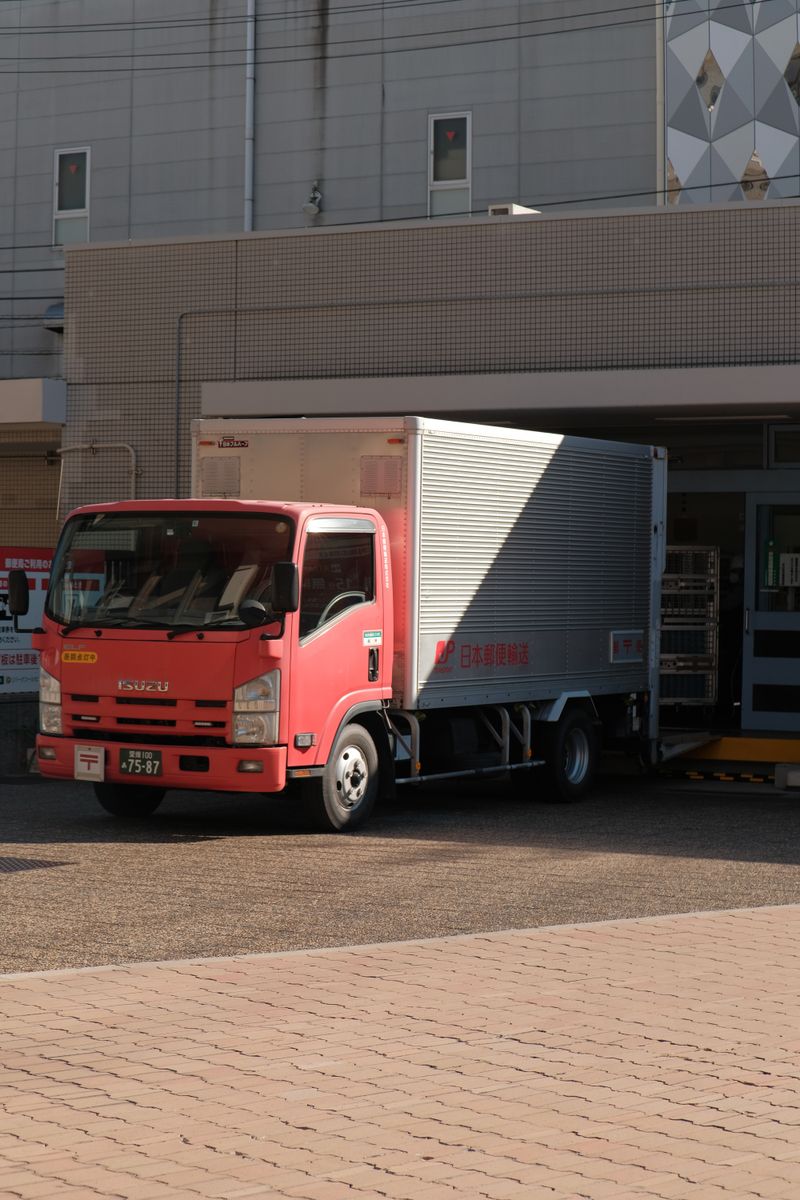
Same-day and next-day delivery used to be a differentiator reserved for the biggest retailers. Now it's table stakes — and local businesses are feeling the squeeze between rising customer expectations and thin delivery margins.
Many delivery operations were built reactively — a driver here, a courier app there — without ever stepping back to look at route efficiency, cost per delivery, or failed-delivery rates. That reactive approach is exactly what's driving costs up faster than order volume.
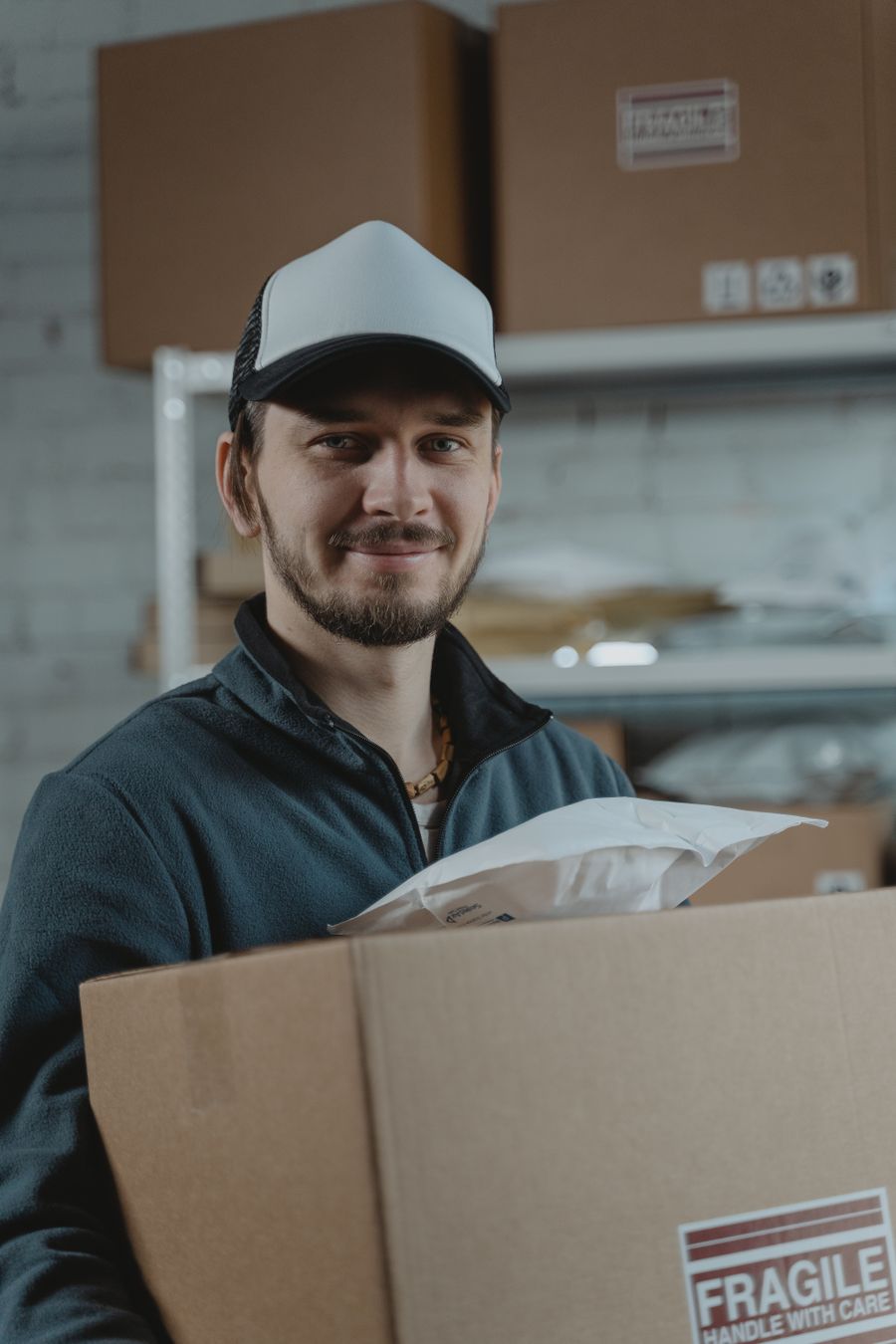
1. Audit Your True Cost Per Delivery
Most businesses know their delivery revenue but not their delivery cost — and the gap between the two is where margin quietly disappears.
- Calculate fully-loaded cost per delivery, including driver time, fuel, failed attempts, and returns.
- Track failed and delayed delivery rates separately from total volume — they're usually the biggest hidden cost.
- Compare in-house vs. third-party economics at your actual order density, not industry averages.
2. Fix the Infrastructure Before Adding Drivers
Space optimization, staging areas, and how inventory flows to the delivery point all affect how efficient your last-mile operation actually is — it's rarely just a "hire more drivers" problem.
- Redesign staging areas so orders are picked and ready before the driver arrives, not after.
- Batch deliveries by zone instead of dispatching as orders arrive.
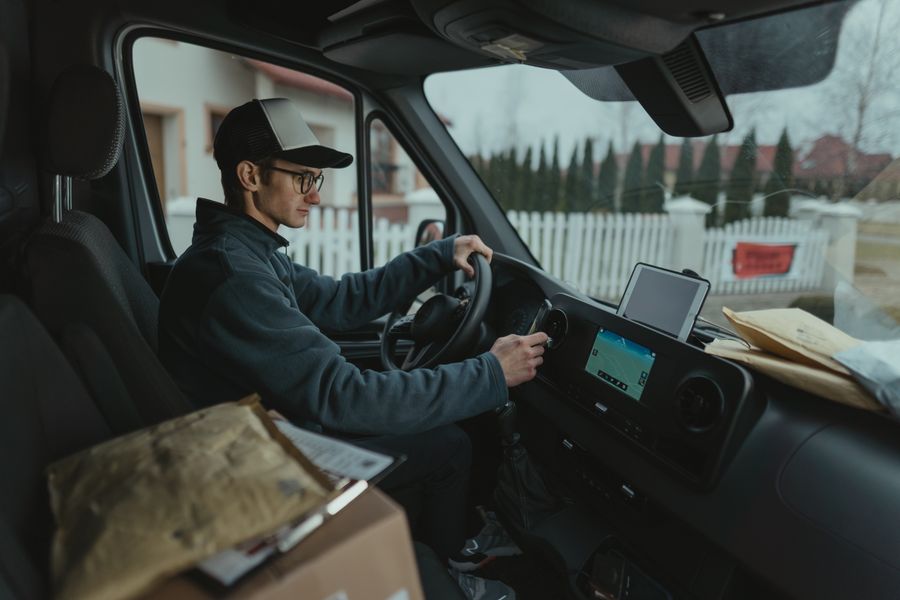
3. Modernize Route and Fleet Coordination
The businesses solving this well aren't necessarily spending more — they're replacing manual, ad hoc coordination with dedicated routing and dispatch tools sized for their actual scale, not enterprise-only logistics platforms that don't fit a smaller footprint.
- Use dynamic route planning instead of static, memorized routes.
- Set real-time customer delivery windows your team can actually hit.
Strategic Response Framework
| Risk Area | Impact | Mitigation Strategy |
|---|---|---|
| Rising Cost Per Delivery | Margin erosion as volume grows | Fully-loaded cost audits |
| Poor Staging & Space Use | Slower dispatch, longer driver idle time | Infrastructure & space optimization |
| Manual Route Coordination | Missed delivery windows | Dynamic routing & dispatch tools |
The Bottom Line
Last-mile delivery rarely fails because of a single weak link — it's the combination of cost visibility, infrastructure, and coordination tooling that determines whether delivery is a growth driver or a margin drain. A logistics specialist who has optimized last-mile operations at a similar scale can usually find the fix faster than another round of hiring.