
Border Friction to Local Dominance: A Tariff Strategy Playbook for Independent Grocers
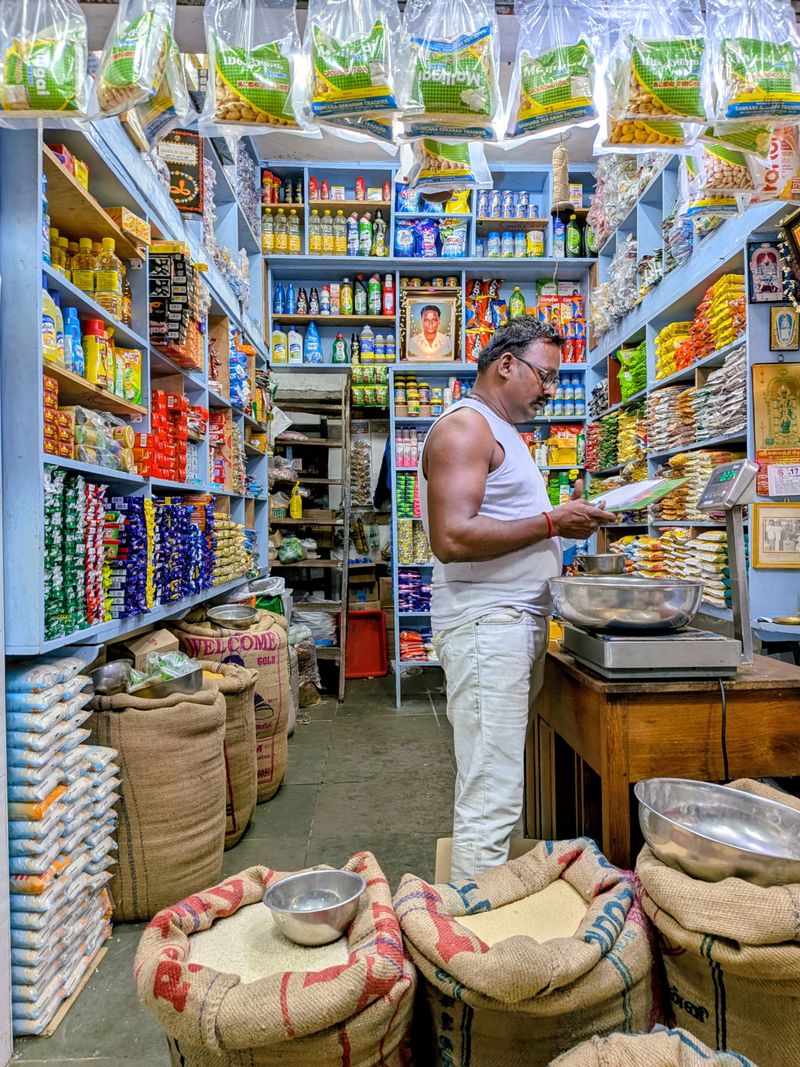
Newcomer entrepreneurs drive real economic vitality — roughly a quarter of new businesses in Canada are founded by new Canadians, and independent ethnic retail and specialty grocery hubs are some of the fastest-growing storefronts in the country.
But running an independent grocery or specialty retail footprint comes with unique supply chain complexity. Many specialized food products, global spices, and culturally specific goods are either transshipped through major U.S. logistics hubs or exposed to indirect tariffs during cross-border transit — and as trade friction rises, that exposure compounds fast.
1. Navigate Indirect Tariffs and Cross-Border Transit Bottlenecks
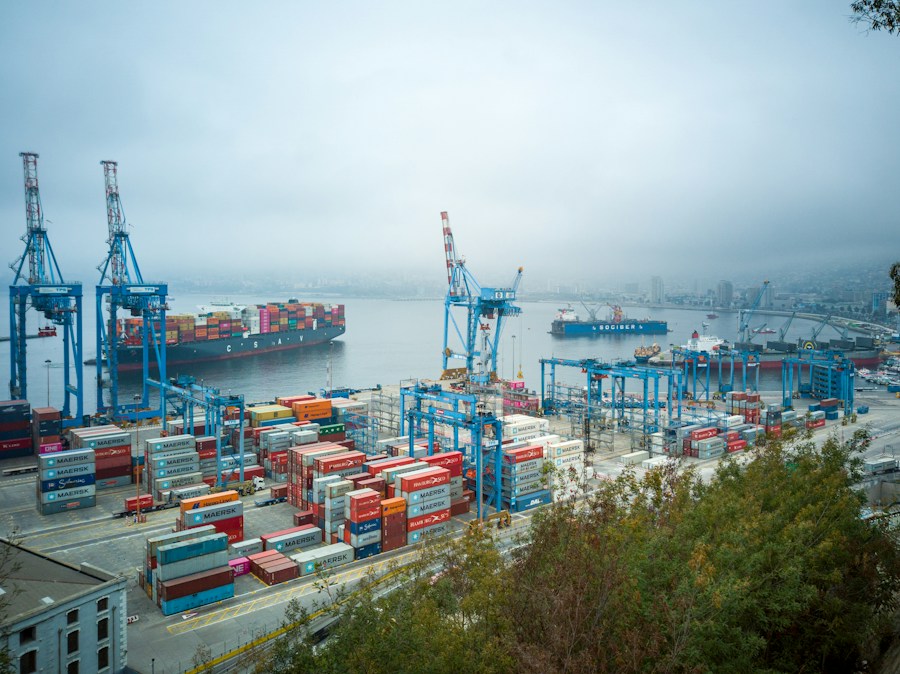
A significant challenge for independent grocers and importers is reliance on U.S. ports of entry and U.S. consolidation warehouses before goods ever reach Canada.
- Bypass U.S. transshipment corridors: where possible, clear ocean freight directly at Canadian ports rather than trucking containers across the U.S. border, where secondary cross-border fees apply.
- Form local purchasing coalitions: independent grocers often lack the volume to negotiate bulk pricing alone. Aggregating order volume with other local retailers gives you leverage to negotiate directly with overseas exporters and domestic distributors.
2. Optimize Point-of-Sale Efficiency and Payment Costs
Ethnic grocers often process high daily foot traffic with high transaction volume. When import costs are already inflated by trade disputes, reducing operational drag at the register is essential to protecting net margins.
- Review your payment gateway and terminal fees: unnecessary processing costs on high-volume, low-ticket items directly erode gross margins.
- Adopt frictionless, contactless payment hardware to speed up checkout during peak hours and reduce transaction overhead.
3. Protect the Newcomer Entrepreneurial Advantage
New Canadian entrepreneurs bring unmatched market insight and community connection, but rapidly shifting trade rules and tariff classifications present a steep learning curve. Navigating customs compliance and commercial contracts is easiest with reliable, independent guidance — not vendor advice that carries hidden referral fees.
Strategic Overview for Retailers
| Operational Pillar | Challenge | Strategic Action |
|---|---|---|
| Logistics Routing | U.S. transshipment fees & transit tariffs | Direct clearance via Canadian ports |
| Order Scale | Higher unit costs for small independent buyers | Local buying coalitions for volume pricing |
| Checkout Operations | High merchant fees on daily volume | Payment infrastructure optimization |
The Bottom Line
Trade friction doesn't have to compromise your growth. By restructuring logistics away from U.S.-reliant transit corridors, modernizing checkout technology, and getting unbiased operational advice from a specialist who isn't selling a specific product, independent grocers can defend their margins and their market position.